

Video: NASA Johnson Space Center
RWTH Aachen University
One Lab. Many perspectives. Clear direction.
Multi-discipline research and the quest for solutions to the world’s most pressing problems.
The Elephant in the Dark
In the millennia-old parable of The Elephant in the Dark, a group of individuals gathered in a lightless room try to identify what they can touch but cannot see.
One touches the animal’s trunk, and says: A snake. Another touches the animal’s leg, saying: A tree. Another touches the animal’s side, and says: A wall.
No one says: An elephant.
Research often works the same way
Every discipline sees something true. No single discipline sees the whole truth.
-
 Applied Econometrics
sees how effects spread from one region to the next
-
 Computational Economics
sees what tomorrow’s risks cost today
-
 Computational Logistics
sees the best route through the network
-
 Data and Business Analytics
sees why people choose what they choose
-
 Economic Geography
sees where knowledge travels and where it takes root
-
 Economics of Sustainability
sees what a policy does to people and nature at once
-
 Energy Systems Economics
sees what keeps energy secure and affordable
-
 SAGE-BRIDGE
sees the energy transition from Germany and South Africa at once

Only together do we see the whole picture.
Many perspectives.
One Lab.
The vision
At the Global Challenges Lab, we believe that today’s most urgent global challenges—including those set out in the UN Sustainable Development Goals—can only be understood from many perspectives together.
The mission
We bring many perspectives to the table
Researchers from RWTH Aachen University work side by side across economics, econometrics, operations research, and data science.
We look for answers that stand up
Together with civil society, industry, and policymakers, we develop evidence-based answers to the most pressing questions facing society.
We make them count
We share our results through publications, develop new methods for business, provide a sound basis for policy, and train the next generation of practitioners and researchers.
The methods
Many perspectives call for many methods: econometric models, economic simulations, optimization, machine learning, and surveys. Each is a lens that brings one part of a problem into sharp focus. Together, they show the whole picture.
Research
What we work on
Six questions our contributors are currently working on, each from several angles.
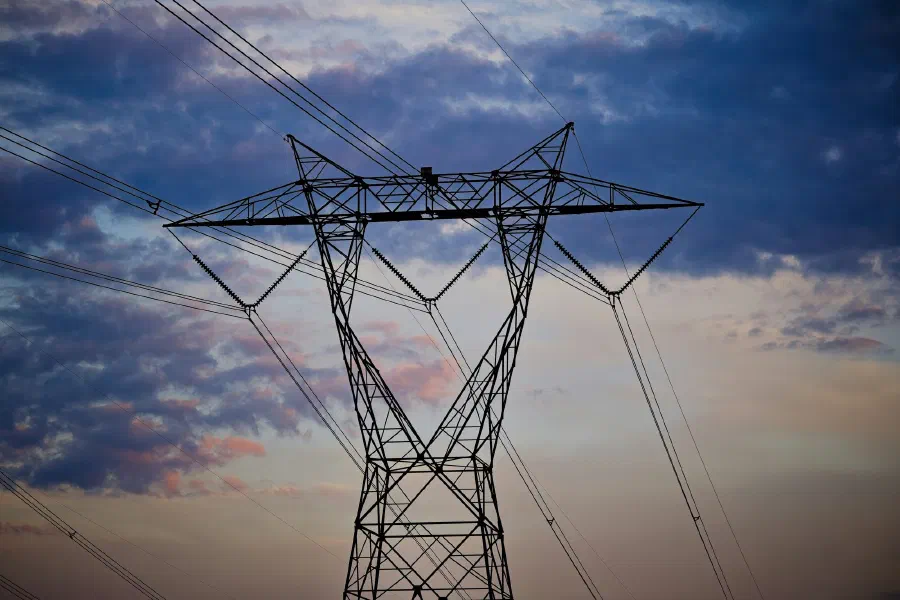

 SDG 7, 9
How can we keep energy supply secure?


 SDG 1, 7, 10
Who pays for the energy transition?


 SDG 8, 13
What does climate risk cost?


 SDG 3, 11
How can cities work for everyone?


 SDG 2, 6, 12
How can we use land, water, and biomass wisely?
 SDG 9, 12
How can industries decarbonize and innovate?
Published in Nature CommunicationsNature Climate ChangeJournal of Political EconomyManagement ScienceOperations ResearchEuropean Journal of Operational ResearchEnergy EconomicsJournal of Industrial EcologyEnergy Policy


Team
The people behind the Lab

Thomas Lontzek
research, education, and direction
Dynamic optimization · Risk and uncertainty · Economic models

Erik Schneider
research, education, management, and IT
Geospatial data science · Sustainability management · CSRD
Get involved
The biggest problems need many minds.
Students
Tackle real sustainability questions in our courses, from climate risk to the green transition. Write a joint thesis supervised by two of our contributing bodies, or join the honors program to conduct research of your own.
Researchers
Global challenges don’t fit into one discipline. If your chair or institution works on related topics, let’s team up on joint projects and proposals, co-taught seminars, or co-supervised theses. Get in touch and tell us what you’re working on.